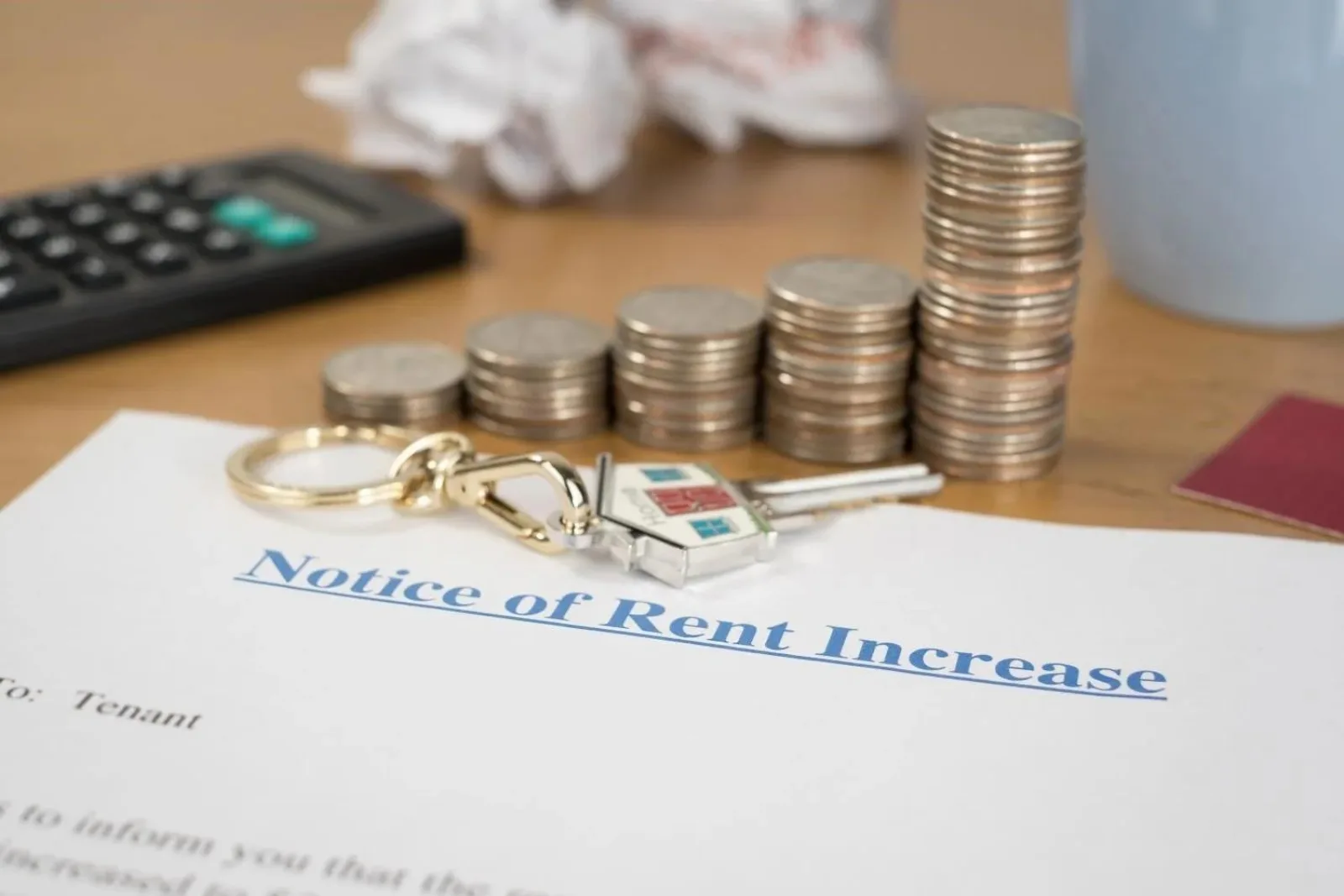
The UK rental market is once again experiencing upward pressure on prices in 2026. While the sharp spikes seen in previous years have eased, rents continue to rise steadily across many regions, driven by ongoing imbalances between supply and demand, higher financing costs, and structural changes in the housing market.
This article explores the latest data and the key factors contributing to rising rents in the UK.
UK Rent Prices Continue to Increase
Recent data from the Office for National Statistics (ONS) shows that private rental prices in the UK have increased year-on-year, reaching new record highs.
Average UK private rent: approximately £1,374 per month
Annual growth rate: around 3%–4% depending on region
Stronger growth observed in areas outside London, particularly in the North East and Midlands
Although the pace of growth has slowed compared to previous years, rents are still increasing overall, indicating continued pressure in the rental market.
What’s Driving UK Rent Increases?
Several key factors are contributing to the ongoing rise in rental prices across the UK:
1. Higher Mortgage and Financing Costs
Interest rates have remained elevated compared to historic lows, pushing up the cost of buy-to-let mortgages. Many landlords are facing higher monthly repayments, which are often reflected in rental prices.
As borrowing becomes more expensive, maintaining profitability requires adjustments in rent levels.
2. Limited Rental Supply
The UK continues to experience a shortage of available rental properties.
Supply remains below pre-pandemic levels
Demand continues to outpace availability in many areas
Competition for rental homes remains strong
This imbalance between supply and demand is one of the primary drivers of rising rents.
3. Landlords Exiting the Market
A growing number of landlords are reconsidering their position in the rental market due to:
Increased regulation
Rising costs
Tax changes and compliance requirements
As some landlords exit, the overall supply of rental properties decreases further, adding pressure to rental prices.
4. Strong Tenant Demand
Despite economic challenges, demand for rental housing remains high.
Factors contributing to this include:
Population growth
Delayed homeownership due to affordability constraints
Increased mobility and urban migration
This sustained demand continues to support higher rental prices.
5. Broader Economic Pressures
Inflation, cost of living increases, and higher utility and living expenses also influence the rental market. As costs rise across the economy, rental prices tend to adjust accordingly over time.
Regional Differences in Rent Growth
Rental price increases are not uniform across the UK.
Some regions outside London are experiencing faster growth due to increased demand and relatively lower supply
London rents remain high but have shown more moderate growth compared to other regions
Northern regions have seen notable increases as demand spreads beyond traditional urban centers
These regional variations highlight how localized supply and demand dynamics impact pricing.
What This Means for the Market
The continued rise in UK rents reflects a broader structural shift in the housing market rather than a short-term fluctuation.
Key takeaways:
Rental prices are at or near record highs
Growth is steady rather than rapid
Supply constraints remain a central issue
The market is becoming more competitive for tenants
For landlords, this environment requires careful management of costs, compliance, and operations. For the broader market, it signals ongoing pressure on affordability and housing availability.
Looking Ahead
While rent growth may continue to moderate, most forecasts suggest that prices will likely keep rising in the near term due to persistent supply shortages and ongoing economic pressures.
The UK rental market is expected to remain dynamic, with regional differences and policy changes playing a significant role in shaping future trends.
Conclusion
UK rents are rising again, but the story is more nuanced than simple increases. A combination of limited supply, higher costs, and sustained demand is shaping a market that continues to evolve in 2026.
Understanding these underlying drivers provides valuable insight into where the market is heading and why rental prices remain under pressure.