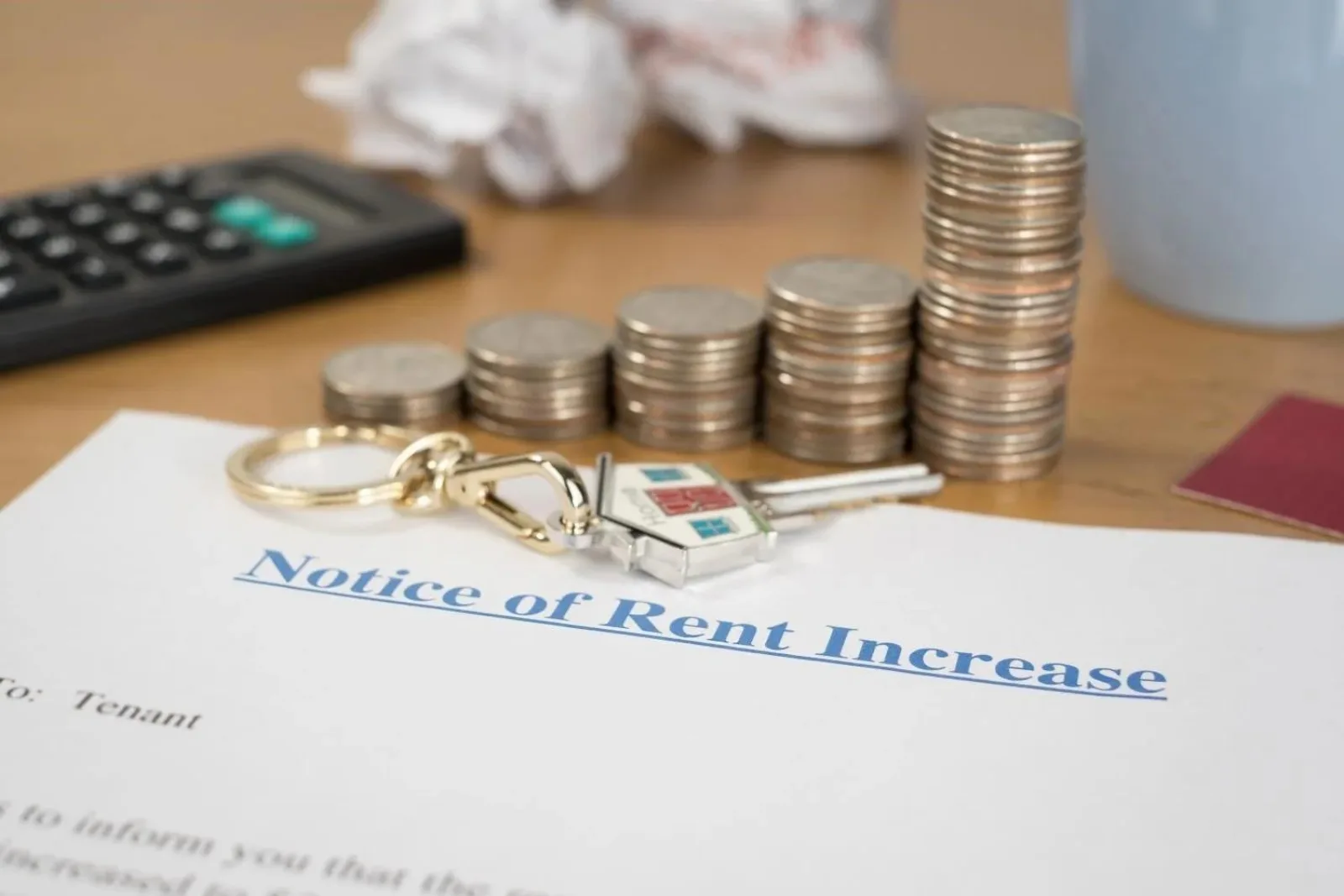
Manchester's rental market remains highly competitive, with properties letting faster despite continued increases in asking rents. New Q2 2026 data shows that the average rental property spent just 21 days on the market, down from 24 days a year earlier, while average asking rents rose 2.7% to £1,162. Almost 40% of properties were let within 14 days, highlighting how strongly demand continues to outweigh supply.
For landlords, the figures offer an important insight into one of the UK's most closely watched regional rental markets, and underline the importance of understanding local demand, pricing and property performance.
Manchester's Rental Market Is Moving Faster
According to Q2 2026 data from Rentaroof, properties in Manchester are being let more quickly than they were a year ago.
The average time a rental property spent on the market fell from 24 days in Q2 2025 to 21 days in Q2 2026. At the same time, average asking rents increased by 2.7%, reaching £1,162.
The figures suggest that higher rents have not significantly reduced demand in the city.
In fact, almost 40% of rental properties were let within 14 days, demonstrating the level of competition among prospective tenants.
Demand Continues to Outpace Supply
One of the biggest factors behind Manchester's strong rental market is the imbalance between supply and demand.
The city continues to attract residents through its universities, employment opportunities and growing economy. Areas such as Didsbury, Ancoats and Chorlton-cum-Hardy are among those highlighted as particularly competitive rental locations.
When demand remains high while available rental stock is limited, landlords can continue to experience strong tenant interest even as asking rents increase.
However, strong demand does not mean landlords can simply increase rents indefinitely.
Pricing a property accurately remains important. An asking rent that is too high could discourage potential tenants, while pricing below market value could leave rental income on the table.
What Does This Mean for Landlords?
Manchester's performance highlights the importance of making rental decisions based on current market evidence rather than assumptions.
For landlords, understanding comparable rents, local demand and how quickly similar properties are letting can help when deciding:
- How much rent to ask
- When to review rental pricing
- Whether a property is performing in line with the local market
- How competitive a property is compared with similar listings
- Whether changes to the property could improve its rental appeal
This becomes particularly important as the private rented sector continues to change.
The Renters' Rights Act is also creating a new baseline for landlord behaviour and compliance expectations, adding another layer of consideration for property owners and managers.
Why Local Market Data Matters More Than Ever
National rental statistics can provide a useful overview, but they do not always tell landlords what is happening in their specific market.
Manchester is a good example.
While rents are rising and demand remains strong across the city, performance can vary between neighbourhoods and property types. A landlord in Didsbury may face a different rental environment from one in another part of Greater Manchester.
This is why access to relevant property data can be valuable.
Being able to compare a property against similar rental properties can help landlords make more informed decisions around pricing, investment and portfolio performance.
Rising Rents Don't Tell the Whole Story
A rise in asking rents can appear positive for landlords, but rental growth needs to be considered alongside other market indicators.
If properties are taking longer to let, for example, a higher asking rent may not necessarily translate into higher annual income. A property sitting vacant for several weeks can offset the benefit of a higher monthly rent.
Manchester's current figures show the opposite pattern: asking rents have increased while average time on market has fallen.
That combination suggests that demand remains strong enough to support higher asking prices in many parts of the market.
For landlords, the lesson is clear: rental pricing should be based on evidence, not simply on how much rents have increased nationally.
Professional Property Management Is Becoming More Important
The changing rental landscape is also encouraging landlords to take a more professional approach to property management.
As regulation increases and landlords face more responsibilities, keeping track of rental performance, compliance requirements, documents and property information can become increasingly time-consuming.
The ability to bring these tasks together through digital property management tools can help landlords stay organised and make better-informed decisions.
Technology can also help turn property data into something more practical, giving landlords a clearer picture of how their portfolio is performing and where action may be needed.
What Could Happen Next?
Manchester's rental market demonstrates that rising rents do not necessarily mean demand is weakening.
For now, demand continues to outstrip supply, properties are letting relatively quickly and competition remains strong.
But market conditions can change quickly.
As more rental stock becomes available, tenant affordability changes or regulations continue to reshape landlord behaviour, rental markets will need to be monitored closely.
For landlords, staying informed about local market conditions will be increasingly important when making decisions about rent, property investment and portfolio strategy.
The rental market is moving fast. Your property management should too.