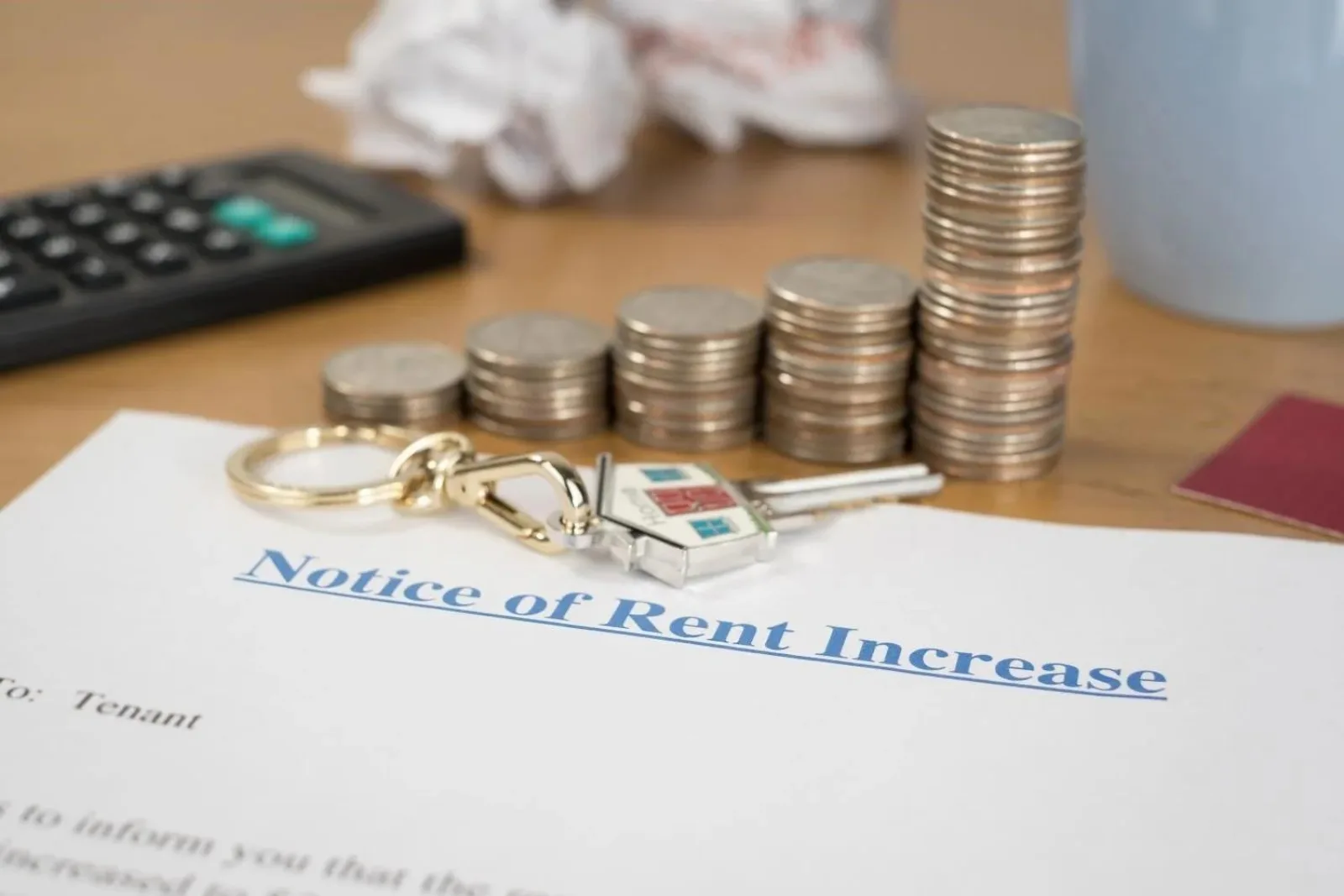
The Renters' Rights Act was introduced to give tenants greater security, but new market data suggests the changing rules may also be influencing how some landlords approach rental pricing.
According to Knight Frank, rents in prime outer London rose 3% in the year to September 2026, while new rental listings fell 6.4% in the year to August. The agency says some landlords are setting asking rents higher to reflect the increased risks they face under the new legislation.
So, are landlords starting to price regulatory risk into rents?
Rental supply is falling
The latest figures show a clear imbalance between rental supply and demand.
In prime outer London, there were 8.9 prospective tenants for every new property in the three months to September. In prime central London, the ratio reached 5.6 tenants per property, the highest level in four years.
At the same time, fewer properties are coming onto the market.
When demand remains strong while supply falls, landlords can face less pressure to reduce asking rents, while renters have fewer alternatives.
Where does the Renters' Rights Act fit in?
The first major phase of the Renters' Rights Act came into force in England on 1 May 2026, bringing significant changes to how private tenancies work.
Section 21 'no-fault' evictions were abolished, assured periodic tenancies were introduced, and new rules were brought in around rent increases and rental bidding.
For landlords, these changes can create additional uncertainty around managing and eventually recovering a property.
Knight Frank reports that some landlords are responding by factoring these perceived risks into their asking rents.
That doesn't mean the Act itself is directly responsible for rising rents. Rental prices are also being affected by supply, demand, mortgage rates and other property costs.
Landlords are facing higher costs too
Regulation is only one part of the equation.
Knight Frank reported that the average five-year fixed-rate buy-to-let mortgage at 75% loan-to-value was 4.7% in August, compared with 3.88% in January.
For landlords, higher borrowing costs can significantly change the economics of holding a property.
When combined with maintenance, insurance, tax and compliance expenses, landlords may look more closely at whether their current rent provides an adequate return.
What does this mean for landlords?
The changing market makes it increasingly important to understand the numbers behind each property.
Before setting or reviewing rent, landlords should consider:
- Local market rents: what comparable properties are actually achieving
- Property costs: including mortgages, insurance and maintenance
- Compliance costs: including the ongoing requirements of the Renters' Rights Act
- Demand and supply: local conditions can vary considerably
- Rent review rules: increases must follow the correct process
Under the new rules, landlords generally cannot increase rent more than once a year and must follow the required Section 13 process. Tenants can also challenge an increase if they believe it is above the open-market rent.
The bigger picture
The latest figures don't prove that the Renters' Rights Act is causing rents to rise.
What they do show is a rental market where supply remains constrained, tenant demand is strong and landlords are reassessing the financial risks of letting property.
For landlords, the answer isn't simply to increase rents.
It's about understanding the local market, knowing the true cost of each property and keeping up with the rules that affect rental income and property management.
As the Renters' Rights Act continues to reshape the private rental sector, having accurate and organised property information will become increasingly important for making informed decisions.
Frequently Asked Questions
Can landlords increase rent whenever they want?
No. Rent increases are generally limited to once a year and must follow the required legal process.
Can tenants challenge a rent increase?
Yes. Tenants can challenge an increase if they believe it is above the open-market rent.
Is the Renters' Rights Act causing rents to rise?
Not on its own. Supply, demand, mortgage costs and other expenses are also influencing rental prices. Knight Frank has reported that some landlords are factoring the perceived risks of the new legislation into their asking rents.
What should landlords do now?
Keep track of local rental values, property costs and regulatory requirements, and make sure property and tenancy records are accurate and up to date.