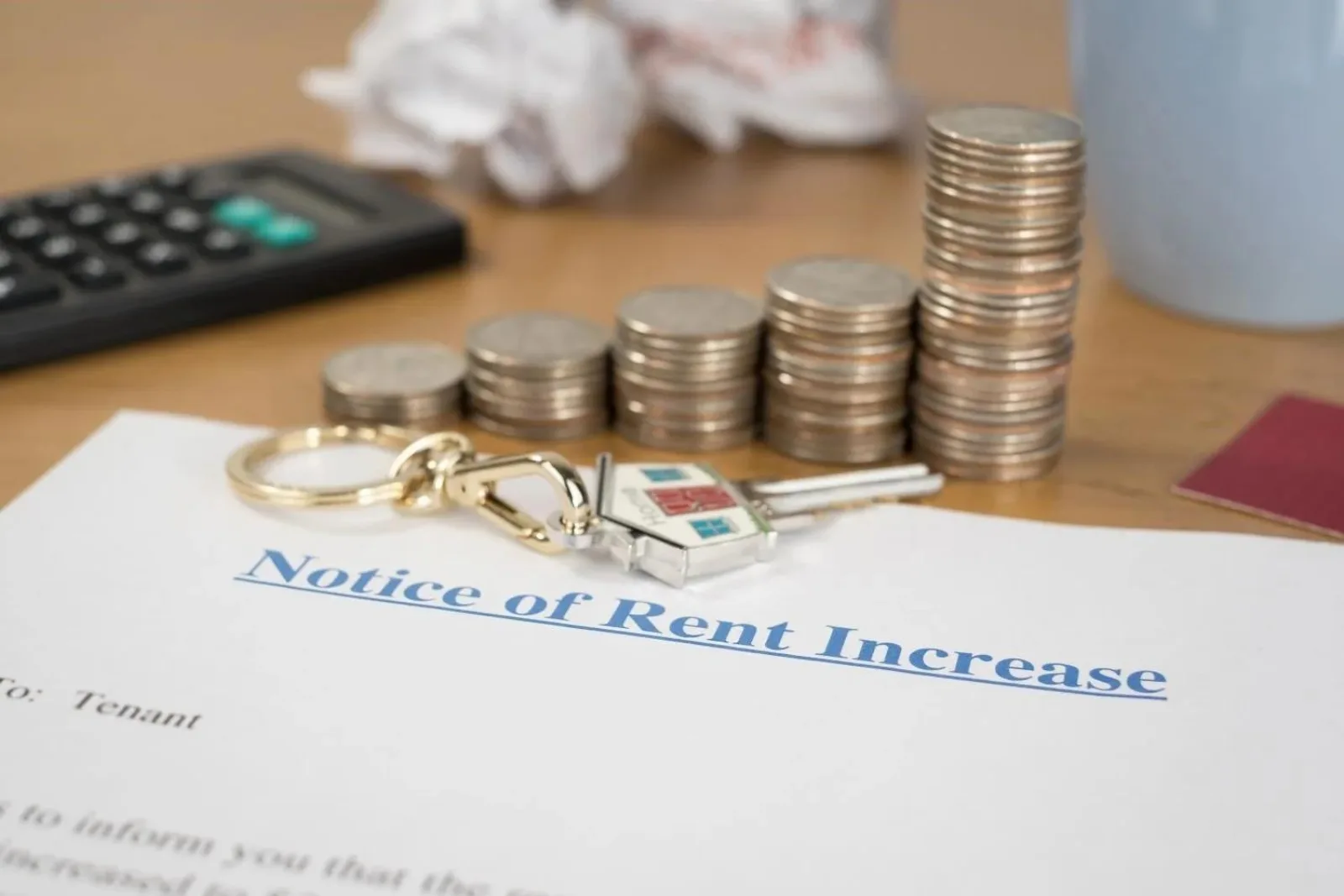
Rent controls are back in the spotlight after 26 MPs called on Housing Secretary Angela Rayner to reconsider the Government's opposition to regulating private rents.
The call follows new research commissioned by the Joseph Rowntree Foundation and carried out by the Autonomy Institute, which examined how different rent-control models could affect affordability for tenants.
However, the Government has confirmed that it currently has no plans to introduce rent controls in England, meaning landlords are not facing a new rent-control regime at present.
Why Are MPs Calling for Rent Controls?
The MPs argue that rising rents are putting increasing pressure on households.
The research highlighted that rent accounts for around 36% of renters' income on average, with the proportion significantly higher in some areas.
Three potential approaches were modelled:
- A cap on rent increases linked to CPI
- A temporary rent freeze
- Limits on increases during and between tenancies
Supporters argue that these measures could make renting more affordable, particularly for households struggling with rising living costs.
What Is the Government's Position?
Despite the renewed pressure, Angela Rayner has rejected calls for rent controls.
The Government's position is that existing measures, including the Renters' Rights Act, provide stronger protections for tenants, while increasing housing supply remains a key part of addressing affordability.
For landlords, this means there is currently no national rent-control policy to prepare for in England.
However, the latest political pressure shows that rental affordability remains firmly on the housing agenda.
What Could Rent Controls Mean for Landlords?
The main concern for landlords is what happens if rental income becomes restricted while operating costs continue to rise.
Landlords still need to cover:
- Mortgage costs
- Maintenance and repairs
- Insurance
- Compliance
- Property management
- Tax
- Improvement costs
If rental income cannot keep pace with these expenses, some landlords could see their margins reduced.
Critics also argue that rent controls could discourage investment and potentially reduce the supply of private rental properties.
This creates a difficult balance: protecting tenants from unaffordable rent increases while ensuring landlords continue to supply good-quality rental homes.
What Should Landlords Do Now?
With rent controls currently ruled out, landlords don't need to make immediate changes based on this latest development.
However, it is increasingly important to understand the financial performance of each property.
Landlords should regularly review:
Current rental values -- What are comparable properties achieving?
Property costs -- Are financing, maintenance and compliance costs increasing?
Portfolio performance -- Which properties are generating the strongest returns?
Regulatory changes -- Could future policies affect rental income or costs?
Having accurate information can help landlords make better decisions as the market continues to evolve.
How Propell Can Help
Propell brings key property information together, including live valuations, rental comparables, compliance reminders and portfolio insights.
With a clearer view of property performance, landlords can make informed decisions rather than relying solely on headline rental figures or market speculation.
Because smarter property decisions start with understanding the full picture.