The UK private rental market enters summer 2026 in a noticeably more restrained environment. While this period is usually associated with high tenant demand and fast lettings, current conditions are being shaped more by affordability limits, regulatory change, and landlord cost pressures than seasonal momentum.
Rental Growth Is Levelling Off
After several years of strong increases, rent growth is beginning to stabilise in many parts of the UK. In some regions outside London, advertised rents have plateaued, largely because tenants are reaching affordability ceilings and pushing back on higher asking prices.
This is creating a more competitive summer market where pricing accuracy matters more than ever. Overpriced listings are sitting longer, and landlords are having to adjust expectations compared to previous peak seasons.
Regulatory Changes Are Reshaping Lettings
The introduction of major reforms under the Renters' Rights Act is continuing to reshape how landlords operate during peak rental months.
Key changes affecting summer lettings include:
- End of Section 21 "no-fault" evictions
- Rolling periodic tenancies becoming standard
- Rent increases limited to once per year through formal notice
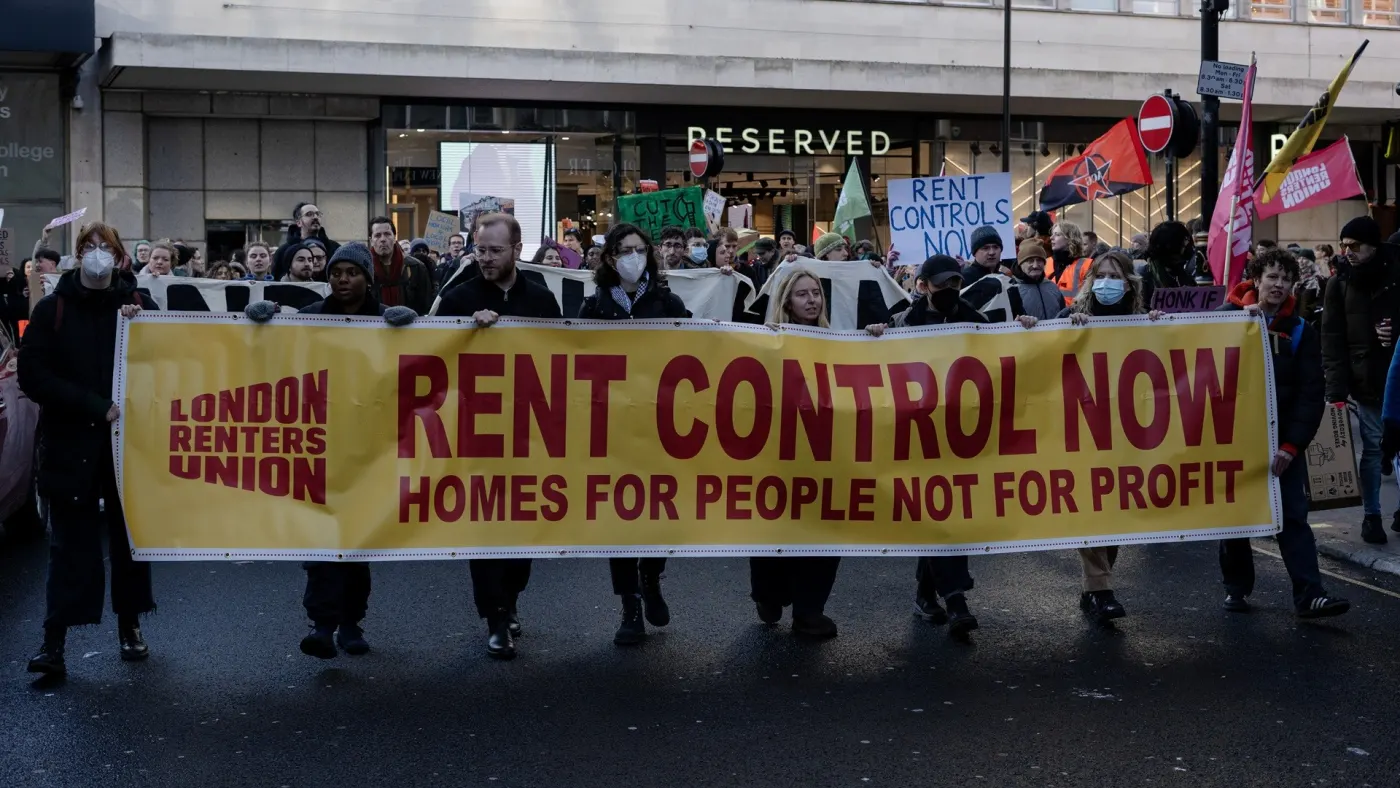
- Stronger tenant ability to challenge rent rises
- Expanded compliance and registration requirements
These changes reduce flexibility during a period when landlords previously relied on tenancy turnover to reset rents or adjust terms more freely.
Tenant Demand Remains Strong but More Selective
Demand for rental homes remains high, particularly in urban areas, but tenants are becoming more selective due to cost pressures. Many are taking longer to decide, comparing more listings, and negotiating harder on rent.
As a result, landlords are increasingly prioritising tenant retention over turnover, especially during the summer cycle when void risk can be higher if pricing is not aligned with local demand.
Costs Continue to Squeeze Margins
Landlords are still dealing with rising operating costs, including:
- Higher mortgage repayments for those on variable or refinancing deals
- Increased insurance premiums
- Maintenance and compliance expenses
- Ongoing tax and regulatory pressure
These factors are tightening margins, making it harder to absorb void periods or hold rents static for long.
Outlook for the Summer Period
Summer 2026 is shaping up to be less about rapid rental expansion and more about adjustment. The market is moving toward a steadier, more regulated structure where:
- Rent growth is slower and more location-dependent
- Compliance requirements are higher
- Tenant expectations are more price-sensitive
- Portfolio strategy matters more than short-term gains
For landlords, the key challenge this summer is balancing compliance, pricing, and tenant retention in a market that is no longer driven by aggressive rent growth.