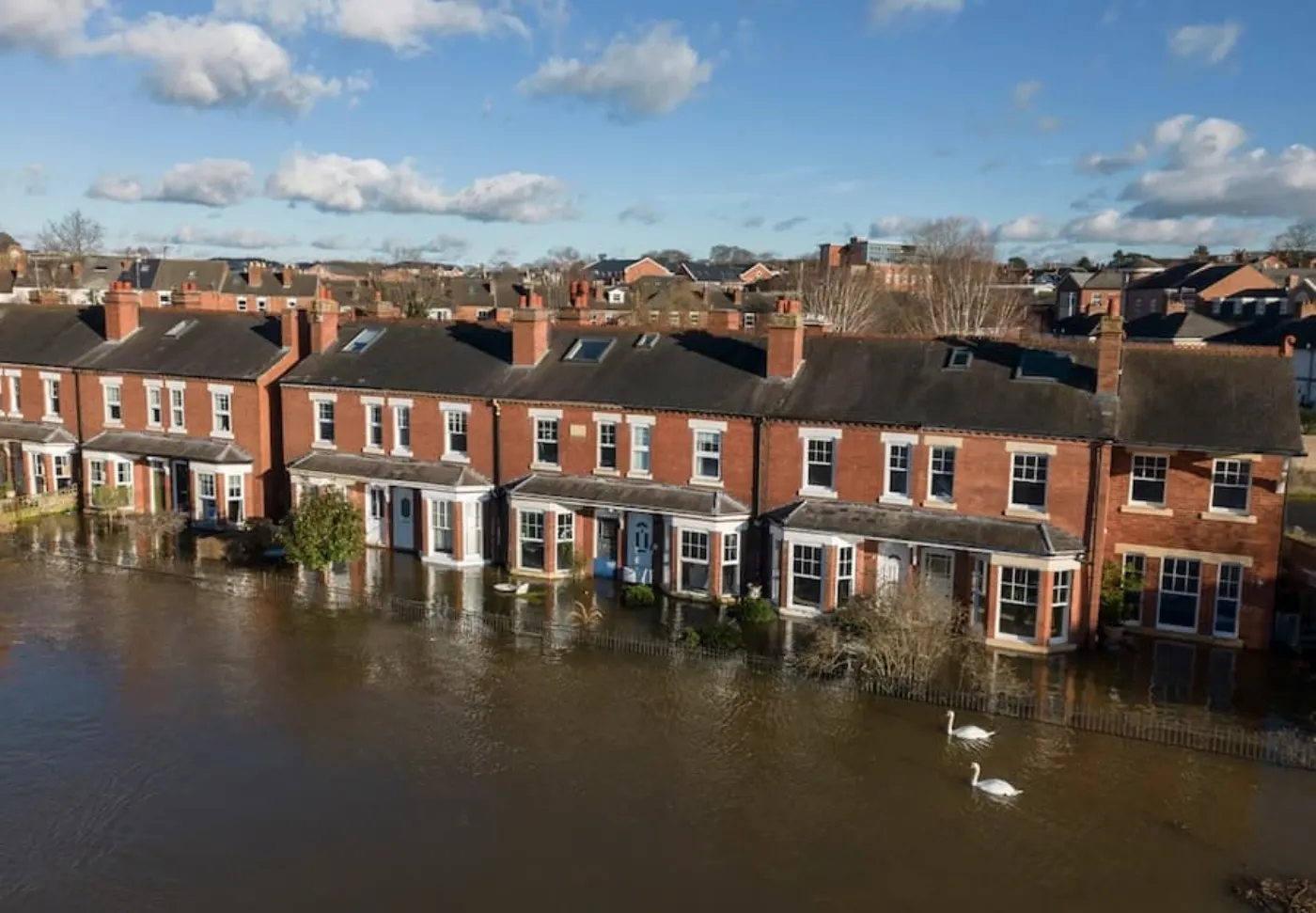
Flooding is becoming an increasingly important risk for property owners, particularly as extreme weather and insurance costs remain a concern across the UK. Recent changes to the government-backed Flood Re scheme are intended to improve access to affordable flood insurance, but a significant gap remains for private landlords.
The latest reforms do not extend Flood Re's buildings insurance protection to the private rented sector. For landlords with properties in areas exposed to flooding, this means insurance arrangements need to be reviewed carefully rather than assuming that the same protection available to homeowners will apply to a buy-to-let property.
What Is Changing With Flood Re?
Flood Re is a joint initiative between the UK Government and insurers designed to make flood insurance more affordable for eligible residential properties.
The scheme has recently been amended, including changes intended to improve access to insurance and encourage greater resilience against flooding. However, the reforms have not removed all of the existing eligibility gaps.
Private landlords remain among those unable to benefit from Flood Re's buildings insurance arrangements. Propertymark has highlighted the continued exclusion of private landlords, leaseholders and some properties built after 2009 as an important gap in the current system.
For landlords, this means flood risk can remain a direct insurance and financial consideration even after the latest reforms.
Why Does Flood Risk Matter to Landlords?
For a landlord, flooding can affect far more than the physical condition of a property.
A serious flood can result in:
The financial impact can therefore extend well beyond the cost of repairing the immediate damage.
For landlords with several properties, the risk can also be spread across different locations. A portfolio may contain properties with very different levels of flood exposure, making it important to understand the risk associated with individual properties rather than treating the portfolio as a whole.
Are Rental Properties Covered by Flood Re?
This is where landlords need to be particularly careful.
Flood Re's eligibility rules generally require the policyholder to be an individual and the property to be used for private residential purposes, with the policyholder or their immediate family living there for at least part of the time, subject to the scheme's other criteria.
As a result, landlords generally cannot rely on Flood Re for buildings insurance on their buy-to-let properties.
Tenants may still be able to obtain Flood Re-supported contents insurance where the relevant criteria are met, but that does not provide the landlord with buildings cover for the property itself.
This distinction is important because landlords remain responsible for protecting the building and ensuring their insurance arrangements are appropriate for the property.
Could Flood Risk Affect Your Property's Profitability?
Flood risk should not be considered only when a property is already damaged.
For investors, it can affect the financial performance of a property before a flood ever occurs.
Higher insurance costs can increase annual operating expenses. A major flood can create repair costs and potentially lead to a void period while work is completed. A property that repeatedly experiences flooding may also become more difficult or expensive to insure.
These costs can affect:
This is why risk should form part of the wider financial assessment when landlords review an existing property or consider a new investment.
What Should Landlords Check Before Renewing Insurance?
The recent Flood Re changes are a useful reminder for landlords to review their insurance arrangements rather than simply renewing the same policy each year.
Landlords should check:
Landlords should also keep copies of insurance documents and renewal information with the rest of the property's records.
Having the policy available is useful, but knowing when it expires and what it actually covers is just as important.
What Can Landlords Do to Reduce Flood Risk?
Insurance is only one part of managing flood exposure.
Depending on the property and its location, landlords may also consider measures such as:
For landlords with multiple properties, maintaining a consistent record of inspections and maintenance can make it easier to identify recurring risks and demonstrate that issues have been addressed.
Why Property Risk Should Be Part of Portfolio Management
Flooding is just one of the risks landlords need to consider when managing a property portfolio.
Insurance, compliance certificates, property licences, maintenance records and renewal dates all need to be monitored over time.
When this information is stored across emails, spreadsheets and individual folders, it can be easy for important dates or documents to be overlooked.
Propell gives landlords a central place to manage key property information, including insurance details, compliance documents, property licences, renewal dates, tenancy information and portfolio performance.
Keeping this information connected to each property makes it easier to see what is covered, what needs attention and when important policies or documents need to be reviewed.
Review Your Property Insurance Before the Next Renewal
The latest Flood Re reforms may improve insurance options for some households, but they do not remove the challenge facing private landlords with flood-risk properties.
For landlords, the key takeaway is simple: don't assume that a property has adequate flood protection simply because flood insurance is available in the wider residential market.
Reviewing insurance cover, understanding exclusions and keeping property records up to date can help landlords identify potential risks before they become expensive problems.
As property costs and regulatory responsibilities continue to evolve, understanding the risks attached to each property is an important part of protecting long-term portfolio performance.
Propell helps landlords keep insurance, compliance, property and tenancy information organised in one secure platform, giving them greater visibility across their portfolio.
Know your property's risks. Keep your records organised. Stay in control.
Frequently asked questions
Can private landlords use Flood Re for their rental properties?
Generally, no. Flood Re's eligibility criteria are designed around qualifying residential properties where the policyholder or their immediate family lives in the property. Private landlords generally remain excluded from the scheme's buildings insurance protection.
What should landlords check if their rental property is in a flood-risk area?
Landlords should check that their insurance specifically covers flood damage, review exclusions and excesses, confirm whether loss of rent or alternative accommodation is covered, and make sure the property's rebuilding value is adequately insured. They should also consider appropriate flood-resilience measures.
Can flood risk affect a property's investment performance?
Yes. Higher insurance costs, repair expenses, potential loss of rental income and longer void periods can all affect cash flow and overall returns. Landlords should consider flood exposure alongside rental income, operating costs, property value and other risks when assessing portfolio performance.
From Propell
Manage your whole portfolio in one place with Propell
Propell brings your properties, documents and tasks into a single letting dashboard, so day-to-day management takes minutes.